
Data Friction concept - bridging the gap between business and technology

Data Friction – A Translation Problem

The Gap No One Talks About

What is Data Friction and why it's costing your scale-up more than you think

Most scale-ups I talk to have the same problem.

The business designs a strategy. The engineering team receives a set of requirements. The outcome isn’t what anyone expected.

And then the meetings start.

“Why don’t they understand what we need?”

“Why is this taking so long?”

“Why does the data never quite add up?”

I’ve seen this pattern repeat across banking, retail, and tech — in boardrooms and in engineering teams.

It’s not a talent problem. It’s not a budget problem. It’s a translation problem.

Before you can build a bridge, you need to measure the damage using the 12-Point Data Friction Matrix.

There’s a gap between what the business needs and what technology delivers. And the longer that gap stays open, the more it costs — in time, in margin, in trust.

That’s what I call Data Friction.

This article is part of The Data Friction Playbook. Read the full series →

Here's where we're headed — so you can jump straight to what matters most to you
    Add a header to begin generating the table of contents
    Scroll to Top

    What is Data Friction?

    Data Friction is the invisible drag on your organisation caused by misalignment between business strategy and technical execution.

    It shows up in:

    Revenue plateaus — because your systems can’t scale with your ambition.

    Operational inefficiency — because your teams are working around the tech, not with it.

    Strategic misalignment — because your boardroom speaks P&L and your engineers speak code, and nobody is translating.

    Data Friction isn’t a single problem. It’s a symptom of a deeper gap: the gap between where you are and where you want to be.

    Why Scale-Ups Are Most Vulnerable

    In a start-up, everyone is close to the problem. The founder talks to the engineers. The engineers talk to the customers. Translation happens naturally.

    In a large enterprise, there are layers of process. Translation is slower, but there are systems to catch mistakes.

    In a scale-up, you’re in the worst of both worlds.

    You’re growing fast. You’re hiring. You’re building new systems. You’re entering new markets. The pressure is on.

    And in that pressure, the translation gap widens.

    What worked when you were 20 people doesn’t work when you’re 100. What worked when you had one product doesn’t work when you have three.

    The systems don’t scale. The teams don’t speak the same language. And the gap starts to cost you — in time, in money, in trust.

    The Three Costs of Data Friction

    Time

    When the business and engineering teams are out of sync, everything takes longer.

    Meetings go in circles. Requirements are misunderstood. Work is redone. Deployments are delayed.

    Every delay is an opportunity cost. The thing you could have built is not being built.

    Money

    Wasted time is wasted money. But Data Friction costs more than that.

    It costs you in inefficient systems. In manual workarounds. In duplicated effort.

    It costs you in margin erosion. When your technology isn’t aligned with your business objectives, you’re paying hidden interest on every decision.

    Trust

    This is the cost that’s hardest to measure and the most damaging.

    When the business doesn’t trust engineering, they micromanage. When engineering doesn’t trust the business, they disengage.

    And when both lose trust in the data, you have nothing to base decisions on.

    Why More Data Won’t Fix It

    The instinctive response to Data Friction is to ask for more data. More reports. More dashboards. More visibility.

    But Data Friction isn’t a visibility problem. It’s an alignment problem.

    The business sees the problem one way. Engineering sees it another. More data doesn’t change that. It just gives both sides more ammunition to prove they’re right.

    The only way to close the gap is to build a bridge.

    The Bridge

    The bridge between business strategy and technical execution is not a tool. It’s a process.

    It starts with diagnosis. You need to know exactly where the break is before you can fix it.

    Then you build the roadmap. Not a 100-page document. A clear, actionable plan that connects the problem to the solution.

    Then you execute. Not with months of consulting, but with a surgical strike that targets the gap and closes it.

    The Data Friction Audit does exactly that.

    To solve this translation breakdown, businesses often need an objective data friction consultant who understands both sides of the equation.

    A Final Thought

    If you’re running a scale-up and you feel the tension between strategy and execution, you’re not alone. It’s not a sign of failure. It’s a sign of growth.

    But it won’t fix itself.

    The gap doesn’t close on its own. It widens.

    The question is: how long are you willing to let it cost you?

    📌   This article is the first of The Data Friction Playbook — a 5-part series on the hidden costs of misalignment between business strategy and technical execution.

    Next: How to Spot Data Friction: 3 Signs Your Strategy is getting lost in translation →

    🧭 Now that you know what Data Friction is

    Take the free 12-Point Data Friction Matrix assessement. Score your friction in five minutes, download your results, and see where you stand.

    Get Your Friction Score →

    Why strategies fail concept - gap between strategy and execution

    Why Strategies Fail

    Why Strategies Fail

    (And Why More Data Won’t Save You)

    You’ve lived this. A strategy that looked perfect on paper. Months of analysis. Crystal-clear slides. Enthusiastic nods in the boardroom. And then… nothing. Or worse, the plan backfires, and you’re left wondering what went wrong.

    The usual suspect? Lack of data. If only we had more information, we tell ourselves, we would have seen it coming. We would have made a better decision.

    But after 20+ years working across FMCG, media and banking, I’ve learned the opposite is true. Most strategies don’t fail for lack of data. They fail for lack of something else.

    Something messier. More human. And far harder to fix with another dashboard.

    Here's where we're headed — so you can jump straight to what matters most to you
      Add a header to begin generating the table of contents
      Scroll to Top

      1. The Illusion of Control: Why Data Won’t Save You

      There’s a widespread belief that with enough data, we can predict the future. We build models. We run scenarios. We fill spreadsheets until they glow.

      But here’s the uncomfortable truth: data looks backward. Strategy looks forward.

      A balance sheet tells you what happened last quarter. A customer survey tells you what people thought last month. But the future doesn’t live in your database. It lives in the messy, unpredictable space where markets shift, competitors react, and human beings do things nobody expected.

      The story of Kodak is a perfect example. For decades, the company had flawless data on film sales and photo development. Their dashboards were immaculate. Their strategy, built on that data, seemed unshakable. But the data couldn’t show what didn’t yet exist: the digital camera. Kodak assumed the future would look like the past. By the time the future arrived, they were no longer part of it.

      Something similar happened during the dot-com bubble. The data showed exponential growth. Companies with no revenue were multiplying in value. Many investors, blinded by the numbers, assumed the trend would continue. They built strategies on a curve that seemed unstoppable. Until it stopped.

      Netflix, by contrast, did the opposite. In 2006, their data on DVD-by-mail rentals was perfect. They could have clung to it and kept investing in distribution centers. But they spotted a weak signal: streaming was beginning to emerge. There was no solid data to support it, because the product didn’t really exist yet. They chose to bet on the future instead of extending the past. That decision defines them today.
      The uncomfortable lesson is this: perfect data only tells you what was true yesterday. And yesterday is not a promise.

      2. The Human Factor: What Spreadsheets Don’t Capture

      Here’s what those dashboards never show you: fear. Inertia. Politics. Ego.

      Strategies are executed by people. And people are not rational actors in a clean economic model. They’re complicated. They have loyalties. They have habits. They have things to lose.

      The confirmation bias is real. We seek out data that tells us we’re right and ignore the signals that warn us we’re wrong. In one banking project, the team spent weeks analyzing customer data to confirm that their existing strategy was working. They found what they were looking for. What they missed? The quiet signals that the market was shifting beneath them.

      The fear of change is even stronger. New strategies threaten people. They threaten routines. They threaten expertise. In media, I watched brilliant people resist a perfectly good transformation—not because they didn’t understand it, but because it asked them to let go of what they knew. The resistance wasn’t logical. It was human.

      And then there’s politics. The quiet battles for territory and influence that never appear in any meeting minutes. Strategies that make perfect commercial sense can die quietly because they threaten someone’s power. No data model will ever capture that.

      3. Deciding in the Fog: When You Don’t Have All the Answers

      Here’s the reality most strategists don’t want to admit: you will never have all the data.

      The question isn’t whether you’re deciding with incomplete information. You always are. The question is: how do you decide anyway?

      After two decades, I’ve learned that the best strategists don’t wait for certainty. They develop a feel for weak signals—the small, early hints that something is shifting. A competitor doing something unusual. A customer complaint that feels different. A quiet frustration in the team.

      They also learn to trust trained intuition. Not the gut feel of a beginner, but the pattern recognition that comes from years of experience. When you’ve seen enough strategies fail, you start to notice the early warning signs. The overconfidence. The lack of dissent. The silence in the room when hard questions should be asked.

      And when the data runs out, they fall back on frameworks, not feelings. Simple questions like:
      – What would have to be true for this decision to be right?
      – If we’re wrong, how will we know—and how fast can we adapt?
      – Who disagrees with this, and why aren’t they speaking?

      4. Early Warning Signs: How to Spot Failure Before It Happens

      Most failing strategies don’t collapse overnight. They send signals. We just don’t want to see them.

      Here are five that I’ve learned to watch for:

      1. Nobody’s arguing. If every head in the room is nodding, be suspicious. Healthy strategy discussions include conflict. If there’s no disagreement, there’s probably something no one is saying.

      2. The assumptions are invisible. Every strategy rests on assumptions about the world—how customers will behave, what competitors will do, what the market will look like. If those assumptions aren’t written down and debated, you’re building on sand.

      3. The plan is beautiful, but no one believes it. You know this feeling. The slides are gorgeous. The logic is tight. But something in your gut says this won’t work. That feeling is usually right.

      4. Early resistance is ignored. When people push back in the early stages, it’s easy to dismiss them as difficult or change-averse. But sometimes they’re not resisting change. They’re seeing something you don’t.

      5. You’re measuring activity, not outcomes. A dashboard full of green numbers can hide the fact that nothing is actually changing. If you can’t point to something that’s genuinely different because of your strategy, you’re not executing—you’re reporting.

      5. What Actually Works: A Different Kind of Strategy

      So if more data isn’t the answer, what is?

      Clarity before information. Before you gather another data point, ask yourself: what question are we actually trying to answer? What would we do differently if we knew more? If the answer isn’t clear, more data won’t help.

      People before plans. The best strategy in the world is worthless if the people who have to execute it don’t believe in it. Involve them before the plan is finished. Listen to their fears. Address their resistance. Don’t assume they’ll come along just because the logic is sound.

      Uncertainty as a given. Stop trying to eliminate uncertainty. Start building strategies that are resilient to it. That means shorter planning cycles. More frequent checkpoints. A willingness to change course when the signals shift.

      Honest questions before confident answers. The best strategists I know aren’t the ones with the most confident answers. They’re the ones willing to ask the uncomfortable questions that everyone else is avoiding.

      A Final Thought

      The next time you sit down to craft a strategy, ask yourself this:

      If we had no new data at all—no more reports, no more analysis, no more dashboards—would we still know what to do?

      If the answer is no, the problem isn’t information. It’s clarity.

      And clarity doesn’t come from more data. It comes from understanding people. Understanding uncertainty. And understanding yourself.

      The strategies that last aren’t the ones with the most sophisticated models. They’re the ones that survive contact with reality.

      And reality, as it turns out, is stubbornly, messily, beautifully human.

      #Strategy  #Decision Making #Leadership #Uncertainty #Human Factor  #Business Psychology

      digital transformation people strategy

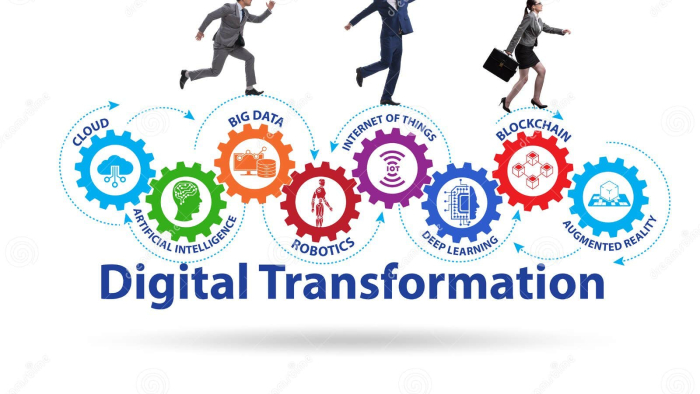
      What Nobody Tells You About Digital Transformation: It’s About People, Not Tech

      What Nobody Tells You
      About Digital Transformation

      Spoiler: It's not about technology. It's about people, processes, and patience.

      When a company announces it’s going “digital first,” the first thing they usually do is buy software.
      Hire a CDO. Launch an app. Announce a new tech stack.

      Then they wonder why nothing really changes.

      After 20+ years working across banking, FMCG, and media, here’s what I’ve learned:

      The technology is the easy part. The hard part? People.

      Here's where we're headed—so you can jump straight to what matters most to you
        Add a header to begin generating the table of contents

        1. The 80/20 Rule of Digital Transformation: Why People Matter Most

        We love to believe that buying the right tool will fix everything. A new CRM. A data platform. An AI dashboard.

        But in reality, technology accounts for about 20% of a successful transformation. The other 80%?
        People. Processes. And patience.

        You can have the best system in the world. If people don’t want to use it, if they don’t trust it, if they see it as a threat — it will fail.

        In one FMCG project, we had all the data tools in place. But local teams kept working around them. Why? Because they’d never been part of the conversation. The system was imposed, not built with them. The tech worked. The transformation didn’t.

        2. The Data Was Always There — But Nobody Asked

        In media, I watched companies invest fortunes in audience data platforms. Dashboards. Real-time analytics.

        But here’s the uncomfortable truth: most of that data had always existed. It was sitting there, waiting.

        What was missing wasn’t technology. It was the willingness to use it differently.
        Asking new questions. Challenging old assumptions. Letting data disrupt comfortable routines.

        That’s not a technical shift. It’s a psychological one. And it’s terrifying for people who’ve spent decades doing things a certain way.

        3. The Human Fear Factor: Why People Resist Digital Transformation

        Let’s name it: digital transformation threatens people.

        It threatens their expertise. Their routines. Their sense of control.

        In banking — especially in regulated environments — this fear is amplified. People know that mistakes have consequences. They know that new systems mean new ways of failing.

        So they resist. Not because they’re difficult. Because they’re human.

        The organizations that succeed are the ones that understand this. They don’t just train people on the new tool. They create safety. They let people experiment without punishment. They bring the reluctant along, slowly, patiently.

        4. The Urgency Trap

        We’re obsessed with speed. “Transform in 3 months.” “Agile transformation now.”

        Then you step into a real organization — with real people, real habits, real fears — and reality hits.

        In banking, everything takes twice as long. Because of regulation. Because of data quality. Because of legacy systems. But mostly because of people.

        People need time to adjust. Time to trust. Time to let go of what worked before.

        That slowness is not failure. It’s the price of real change.

        5. What Actually Works: Putting People at the Center of Digital Transformation

        After two decades, here’s what I’ve seen work — not in theory, but in practice:

        • Involve people before you impose. The teams who will use the system need a seat at the table. Not after it’s built. Before.

        • Simplify before you digitize. If a process is broken, automating it just gives you faster broken.

        • Expect resistance and plan for it. It’s not a bug. It’s human nature.

        • Budget time for people to adjust. Real transformation takes longer than any PowerPoint says.

        The companies that succeed aren’t the ones with the biggest budgets or the flashiest platforms.
        They’re the ones that understand that people matter more than platforms.

        A Final Thought

        Next time someone tells you they’re “transforming digitally,” ask them:

        • What are you doing differently with your people?

        • How are you handling resistance?

        • How much time have you given them to adjust?

        If the answer is only about software, be skeptical.

        Because the real transformation — the one that lasts — happens where the screens don’t reach.

        It happens in the minds and habits of the people who actually have to do the work.

        #DigitalTransformation #Leadership #ChangeManagement #HumanFactor #Banking #FMCG #Media #Strategy

        soft skills

        The Power of Soft Skills: How to Unleash Your Career Success

        The Power of Soft Skills: How to Unleash Your Career Success

        In today’s competitive job market, it’s not enough to have technical expertise or a degree from a prestigious university. Employers are looking for candidates who have a combination of technical and soft skills.

        Soft skills are the personal attributes that enable individuals to interact effectively with others, such as communication, teamwork, problem-solving, and leadership. In fact, many employers consider soft skills to be just as important as technical skills when it comes to hiring and promoting employees.

        In this article, we’ll explore the power of soft skills and how they can help unleash career success. Whether you’re a recent graduate or a seasoned professional, mastering soft skills can help you stand out in your career and achieve your professional goals.

        In fact, a survey by LinkedIn found that 57% of leaders say soft skills are more important than hard skills.

        So, how can you develop your soft skills? Here are some tips:

        Practice active listening

        Listening is a crucial soft skill that often goes overlooked. Practice active listening by focusing on the speaker, asking clarifying questions, and summarizing what they said to ensure you understand.

        Develop empathy

        Empathy is the ability to understand and share the feelings of others. It is crucial for building strong relationships and effective communication. Practice empathy by putting yourself in someone else’s shoes and trying to understand their perspective.

        Build strong relationships

        Soft skills are all about building relationships. Take the time to get to know your colleagues and develop a rapport with them. This will make it easier to collaborate and work together effectively.

        Embrace feedback

        Mastering soft skills takes time and practice. Be open to feedback and use it as a chance to improve and grow.

        Learn to manage your emotions

        Managing your emotions is a crucial soft skill. Learn how to handle your emotions effectively and react appropriately in different situations.

        Conclusion:

        In conclusion, the power of soft skills cannot be overstated. Developing these skills can help you stand out in the job market, advance your career, and build strong relationships with colleagues and clients. By focusing on active listening, empathy, relationship-building, feedback, and emotional intelligence, you can unlock your full potential and achieve career success.

        So, whether you are just starting out in your career or looking to take the next step, don’t overlook the importance of soft skills. They may be intangible, but they are the key to unlocking your full potential and achieving your goals.

        teamwork

        The Magic of Teamwork: Unlocking Success Together

        The Magic of Teamwork: Unlocking Success Together

        What if teamwork unlocking success was not a mystery, but a skill you could learn? That’s exactly what this article explores.

        The ability to work effectively as a team is essential for success in today’s fast-paced and interconnected world. When individuals come together with a shared purpose, the possibilities are endless. From achieving common goals to overcoming obstacles, working in a team can provide a sense of support, motivation, and camaraderie that is unmatched by individual efforts. In this article, we explore the magic of working together and examine how teams can unlock their full potential to achieve success.

        The Importance of Teamwork

        Teamwork plays a crucial role in accomplishing success in any project or organization. When individuals work collaboratively towards a common goal, they can combine their skills, knowledge, and resources to achieve more than they could on their own.

        Organisations can achieve goals faster, improve problem-solving, enhance creativity, and build trust by working effectively as a team. Effective teamwork allows organizations to achieve goals more efficiently and quickly than working alone. A diverse team can provide different perspectives and ideas, improving problem-solving creatively. Collaboration can also lead to innovation and creativity, resulting in new ideas and approaches that drive success. In addition, working closely with others can build trust and strengthen relationships, leading to better communication and teamwork.

        7 Effective Teamwork Strategies

        To achieve success together, building a strong team that collaborates effectively requires a combination of leadership, communication, and problem-solving skills.

        Here are some effective teamwork strategies to help you achieve success together:

        Firstly, ensure that everyone on the team understands the goals, timelines, and expectations for the project by setting clear goals and expectations. This will help to align everyone’s efforts towards the same objective.

        Secondly, foster open communication among team members and create a safe space for feedback and constructive criticism. Encourage open and honest communication.

        Thirdly, build trust by being reliable, transparent, and supportive of team members. Trust is essential for effective teamwork.

        Fourthly, encourage collaboration and cross-functional teamwork, and ensure that everyone has a role to play in achieving the team’s goals.

        Fifthly, celebrate successes and milestones along the way, and recognise the contributions of individual team members. This will help to motivate and inspire the team to continue working towards the goal.

        Sixthly, conflicts are inevitable in any team, but they can be managed effectively through open communication and problem-solving. Address conflicts early on to prevent them from escalating and affecting the team’s productivity.

        Lastly, encourage continuous learning by stimulate team members to learn from each other and to continuously improve their skills and knowledge. This will help to keep the team motivated and engaged in the project.

        Research consistently shows that teamwork unlocking success is not just a nice-to-have, but a competitive advantage. Companies with high psychological safety and collaborative cultures are more likely to retain talent, innovate faster, and adapt to change. The key lies in creating an environment where team members feel safe to contribute, challenge, and grow together. When teams operate with trust and clarity, they don’t just complete tasks — they create momentum that drives the entire organization forward.

        Conclusion:

        In summary, the magic of working together lies in the ability to harness the unique strengths and perspectives of each team member. By fostering open communication, promoting collaboration, and encouraging innovation, teams can unlock their full potential and achieve success beyond their wildest dreams. Whether it’s in the workplace, on the playing field, or in any other aspect of life, the power of teamwork cannot be underestimated.

        As we continue to navigate the challenges of the modern world, let us remember the magic of working together and strive to build strong, supportive teams that can overcome any obstacle and achieve greatness.

        work-life balance

        Work-Life Balance: The Key to Everyday Joy and Happiness

        Work-Life Balance: The Key to Everyday Joy and Happiness

        The pursuit of happiness and a healthy work-life balance has always been a challenge, especially in today’s fast-paced world. With the introduction of technologies such as the internet and mobile phones, our lives have become increasingly difficult to manage, often leaving us with little time or energy for ourselves or loved ones. As we are constantly bombarded with information that is ever-changing and rapidly expanding, it can often be difficult to find the right balance.

        Set realistic goals and expectations for yourself

        In order to maintain a good work-life balance, it is important to make sure that you set realistic goals and expectations for yourself. Many people succumb to the pressure of having to be productive all day, every day, which can lead to burnout and an overall unhealthy lifestyle. This can easily spiral out of control and make it difficult to implement a healthy work-life balance.

        Take regular breaks throughout the day. Is essential in order to remain productive and to give yourself time to relax and recharge. Take a mid-day break to focus on something such as meditation or exercise. It helps to reduce stress and improve overall productivity. It is also important to make sure that you are taking time away from work in order to focus on your mental health, relationships and other activities that bring you joy.

        [bctt tweet="You can achieve a good work-life balance by making sure you set realistic goals and expectations for yourself."]

        Set boundaries

        Achieving a healthy balance between work and life requires developing healthy habits and routines that prioritise personal well-being alongside professional development. This includes setting boundaries between work and leisure activities, as well as learning to say no when necessary.

        It is important to set boundaries in order to make sure that you are not overworking or allowing your work to take up too much of your time and energy. If you find yourself constantly checking emails or responding to messages outside of work hours, it may be time to set limits on how often or how long you are spending on workplace tasks. Finding the right balance between work and life can help ensure that you do not become overwhelmed or drained by your job.

        Finally, it is important to remember that no one can be productive all day, every day. Give yourself some extra time to relax and recharge as it is essential in order to stay healthy and motivated. Create a schedule and set goals — these are great ways to ensure that you are getting the most out of your day while still making sure to take care of yourself. Make sure that you get enough sleep and stay active, these are also important for maintaining a healthy work-life balance.

        [bctt tweet="Remember that no one can be productive all day, every day. Give yourself some extra time to relax and recharge as it is essential in order to stay healthy and motivated."]

        Find satisfaction in everyday moments

        It’s important to recognise and celebrate small wins and to give yourself a break when necessary. Engaging in self-care activities such as journaling and mindfulness can help to maintain physical and mental well-being, while also providing the motivation needed to tackle challenging tasks.

        Find satisfaction in everyday moments. It helps in the pursuit of happiness, as it’s not just about the big achievements — it’s also about appreciating the small accomplishments and contentment found throughout the day. This could be anything from a delicious meal shared with friends, to a successful presentation at work, or as simple as savouring an afternoon walk in nature or appreciating the beauty of a sunset.
        Have an optimistic outlook and a positive attitude. It goes a long way in achieving the desired balance between work and life.

        [bctt tweet="Recognise and celebrate small wins and give yourself a break when necessary."]

        Conclusion:

        Overall, making small but meaningful changes can help you to find a good balance between work and life, thus getting a step closer to happiness. By making space for self-care, setting clear goals and expectations, and finding joy in everyday moments, it is possible to create a healthy balance between work and life. With patience, persistence and a positive outlook, anyone can achieve a fulfilling lifestyle.

        leadership

        The Key Elements of a Successful Leadership Development Program

        The Key Elements of a Successful Leadership Development Program — Understand Why is Important, for What Purpose and How to Create One

        Leadership development is one of the most important aspects of any company. Companies are investing more than ever in leadership development. Yet, less than 5% of companies have a formal leadership development program. So, how do we create a successful leadership development program?

        [bctt tweet="Leadership training is an investment in the future of your organization."]

        Introduction

        Leadership development is a process that provides individuals with the skills and knowledge to lead others. This article explores the different aspects of growth programs for leaders and how they benefit the individual as well as their team.

        The benefits of a formation program for leaders are immense, but it is not an easy process to go through. There are many aspects to consider when developing your own program, such as project management skills, leadership training, and more. These factors make up the foundation for any successful leadership development program.

        Leadership development programs are designed to help organizations identify, develop and grow their talent to lead. Leadership coaching programs provide training and support to executives and managers on how to lead their teams more effectively.

        Leadership coaching is an investment in the future of your organization. This is because The most effective leaders are those who have been exposed to a variety of situations, not just by following a prescribed set of steps.

        Why is a Leadership Development Program Important?

        Leadership development is the process of helping an individual to improve his or her capacity to lead. This may be done through a variety of strategies, such as increased knowledge of leadership skills, increased self-awareness and understanding, coaching or mentoring relationships.

        A leadership training program is a significant technique to improve a leader’s abilities. These programs are designed to help leaders learn and grow in their roles.

        Leadership training can be helpful for anyone who wants to become a leader, or just improve their skills as one. It might not be possible to attend a leadership development program in person, but there are many online courses that provide the same benefits.

        A leadership development program is important for a company to be able to retain their top talent and new employees.

        Leadership programs are not a one-size-fits-all solution. The program should be tailored to the needs of the individual and the team. The goal of these programs is to develop leaders who have the skills, knowledge, and competencies needed in order to lead effectively in today’s dynamic environment.

        What is the Purpose of a Leadership Development Program?

        The programs for leadership development are designed to help individuals grow and develop as leaders. They are a great way to increase the efficiency of your organization because they help you to find the right people for the right positions.

        Leadership training is not just about providing employees with new skills, it is also about helping them develop their abilities and strengths so that they can become more valuable members of your team.

        Some companies offer leadership training programs for their employees. This can be a one-time or ongoing program where an individual will learn the skills needed to become a leader in this company.

        [bctt tweet="Leadership training is not just about providing employees with new skills, it is also about helping them develop their abilities and strengths so that they can become more valuable members of your team."]

        How to Create or Find an Effective Leadership Development Program for My Company's Needs?

        Leadership development programs are a great way to make sure that there is a plan in place for the future of your company. They can be created in many different ways, but they should always have the same goal – to promote growth and development of leadership skills.

        Some companies choose to set up their own leadership development programs, while others hire outside consultants or use external tools. The most important thing is that they are tailored to the needs of your organization and your company culture.

        The first step to developing a leadership development program is to assess the organization’s current needs. This includes determining what skills are needed for future leaders, what skills current leaders need to develop, and how the organization can best support future leadership development.

        A successful leadership development program should also be able to provide a clear career path for employees. Employees should be able to see their progress in their careers and know where they are going in the future. They should also have mentors who can guide them through the process of learning new skills and developing as leaders.

        Conclusion

        [bctt tweet="The key elements of a successful leadership development Program are employee engagement, leadership development, and culture transformation."]

        Having a world-class leadership development program is a key element of any company’s success. However, so many companies are flailing because they’re not focusing on what really matters: the people.

        The key elements of a successful leadership development program are employee engagement, leadership development, and culture transformation. Employee engagement is a powerful catalyst for the success of any leadership development initiative and helps to establish an environment in which employees take more responsibility for themselves and their work. Transformation of culture can help build a new environment where high-performance teams thrive.

        leaders vs managers

        Manage Different Types of People: A Leader’s Guide to Effective Team Management

        Manage Different Types of People: A Leader's Guide to Effective Team Management

        One of the hardest challenges in leadership is learning how to manage different types of people — each with their own motivations, communication styles, and working preferences. The good news? It’s a skill you can develop.

        Have you ever had an employee that you just couldn’t seem to get along with? In this post we will cover the basics of how to manage and lead different types of people, as well as some tips into the set of leadership and management skills, and the best  tools for training.


        What is Management? And What is Leadership?

        Management is the act of getting people to do what you want them to do. Leadership is the act of getting other people to want to do things for you.

        Management deals with the tasks, while leadership deals with the people. Management deals with other peoples time, while leadership deals with other peoples actions.

        The skills of a manager and a leader are not the same. The main difference is that a leader is someone who has the ability to inspire, motivate and influence people to do what is needed in order to achieve organisational goals. In contrast, a manager’s primary responsibility is to oversee the work of subordinates in order for them to complete tasks according to schedule and with minimal supervision.


        [bctt tweet="Leadership skills are harder to master than management skills because it requires more emotional intelligence, self-knowledge and self-awareness."]

        Leadership skills are harder to master than management skills because it requires more emotional intelligence, self-knowledge and self-awareness. Leadership can be learned through reading books, attending workshops or taking formal training courses.

        The Importance of Both Management Skills and Leadership Skills

        The importance of leadership skills and management skills cannot be overstated.

        A manager can be a leader or not, according to their own beliefs and behaviours. But a manager who possesses leadership skills can be assured of a successful career and a happy workplace.

        Leadership skills:
        The most important skill for a good manager is the ability to lead and inspire their team. A good leader will set goals and objectives for their team members so they know what is expected of them, but will also provide guidance and support as they work towards those goals. They will also know when to step in if their employees need help or advice, as well as when to step back and let them work it out on their own.

        Management skills:
        The second most important skill is the ability to manage time wisely. Managers need to be able to balance all of the responsibilities on their plate at any given time. It’s important that they prioritize their tasks by identifying what needs to get done first, second, third and so on. This will help ensure that all of the deadlines are met while still giving them time for other things in life.

        Without these two types of skills, companies cannot succeed. They need managers who can take care of their employees and understand what is important to them in order to maintain the company’s productivity levels.

        Who Should You Lead? What Skills a Manager Needs to Effectively Lead a Team?

        In a modern workplace, a manager is often tasked with leading a team of various people who all have their own personality. Some people are introverts and some are extroverts. So what kind of leadership skills does a manager need to lead his team?

        One key skill is the ability to understand how different personality types work. For example, an introvert may respond better to more one-on-one communication rather than group meetings. A manager should also be able to manage both extroverts and introverts on their team by making sure that they’re happy and satisfied with the work environment. In addition, a good leader should be able to communicate clearly and effectively so that they can provide direction for their team members and move them towards achieving goals as efficiently as possible.

        It is easy to assume that introverts are more of a challenge to manage, but extroverts are said to be more difficult. Extroverts are more likely to expect feedback and will also think they deserve it. Introverts, on the other hand, won’t ask for feedback and may internalise negative feedback.

        [bctt tweet="Extroverts are more likely to expect feedback and will also think they deserve it."]

        Managing your employees is about understanding their strengths and weaknesses. There is no one-size-fits-all approach. Some people work better in close quarters with their co-workers while others need space and privacy. It’s important to not only take into account what you want from your employees but also have them have an idea of what you are looking for in return.

        What are the Best Tools for Training?

        Training is one of the most challenging aspects of management. It’s expensive, time-consuming, and often difficult to measure the impact on performance.

        This section covers the best tools that are available for training managers. These tools are not just helpful in training them, but they also help in improving their skills and knowledge. The practicality of these programs justifies the investment in management development programs.

        Thus training is an excellent way to enable managers to do their job more effectively.

        Management training is a great way to develop your knowledge and skills so you can lead a team to success. It’s available for new managers or experienced ones if you feel like you need a refresher. Some companies even use them as part of their onboarding process.

        The common types of management training are:   leadership training, project management, change management, internal training, communication training, creativity, negotiation, time management, compliance, quality training, risk management, managing talent, strategic planning, decision making, measurement & metrics, performance management, coaching and mentoring, managing up, conflict management, financial management.

        The training methods are techniques employed for developing the knowledge and abilities of individuals. This includes methods for instructor-led training, self learning, group learning, and other training models such as coaching. The common types of training methods include lectures, demonstrations, virtual learning environments, collaboration and practice, improvisation, role playing, tests and certifications, mastery learning, simulations, on-the-job training, coaching and mentoring, and so on.

        Conclusion

        [bctt tweet="Get the most from everyone on your team by understanding the different personalities that exist within it."]

        With the right approach, it is possible to motivate and manage all types of people. Create a culture of trust and respect, then establish goals and hold employees accountable for their work. From there, focus on rewarding positive behavior and use feedback to identify areas for improvement.